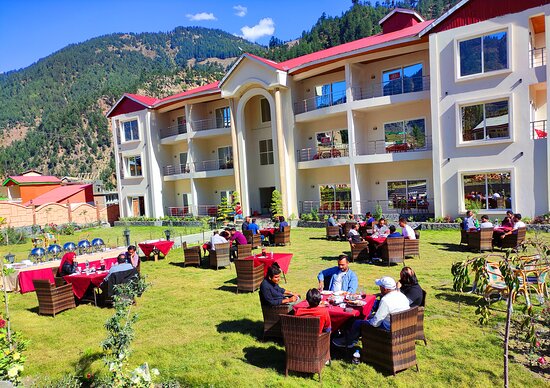
Swat Valley is a breathtaking mountainous region in Khyber Pakhtunkhwa, Pakistan, stretching along the scenic Swat River. Renowned for its snow-capped mountains, lush green valleys, crystal-clear rivers, alpine lakes, and rich cultural heritage, it is one of Pakistan's most popular tourist destinations, offering year-round natural beauty and adventure.
Nestled in the majestic Hindu Kush mountain range of northern Pakistan, Swat Valley is one of the country's most breathtaking natural destinations. Often referred to as the "Switzerland of Pakistan," the valley is celebrated for its snow-capped peaks, lush green meadows, crystal-clear rivers, alpine lakes, dense forests, rich cultural heritage, and warm hospitality.
Stretching along the Swat River, the valley offers an extraordinary blend of natural beauty, ancient history, adventure tourism, and cultural experiences. From peaceful villages and fertile orchards to high-altitude lakes and world-famous archaeological sites, Swat has something to offer every traveler.
Today, Swat is among Pakistan's leading tourist destinations, welcoming families, honeymooners, photographers, trekkers, nature lovers, historians, and adventure seekers throughout the year. Modern road infrastructure, expanding hospitality services, and improved tourism facilities have made the valley more accessible than ever before.
Whether you wish to experience the cool mountain climate of Kalam, ski on the slopes of Malam Jabba, explore the Buddhist heritage of Butkara, or simply relax beside the flowing Swat River, Swat promises an unforgettable journey.
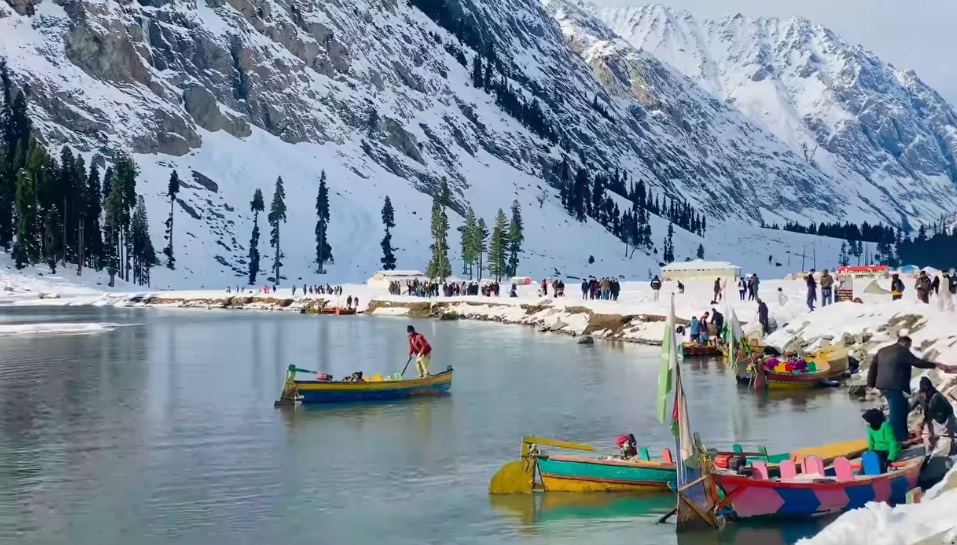
The Swat Valley is located in Pakistan's Khyber Pakhtunkhwa province within the Malakand Division. The valley is traversed by the beautiful Swat River and is surrounded by the majestic Hindu Kush mountain range. It has an average elevation of approximately 980 metres (3,220 feet) above sea level, while the highest peaks in Upper Swat rise to over 6,000 metres, creating spectacular alpine landscapes. Swat enjoys a pleasant temperate mountain climate, making it an attractive destination throughout the year. The best time to visit is March to October for sightseeing, trekking, and outdoor activities, while December to February is ideal for experiencing snowfall and winter tourism. The valley's largest city is Mingora, and Kalam serves as its most popular tourist hub. Pashto is the official language, while Torwali, Gawri, Gujari, Kohistani, Urdu, and English are also spoken across the region. Swat Valley is internationally renowned for its breathtaking mountains, crystal-clear lakes, lush forests, skiing destinations, rich Buddhist heritage, warm hospitality, and thriving tourism industry.
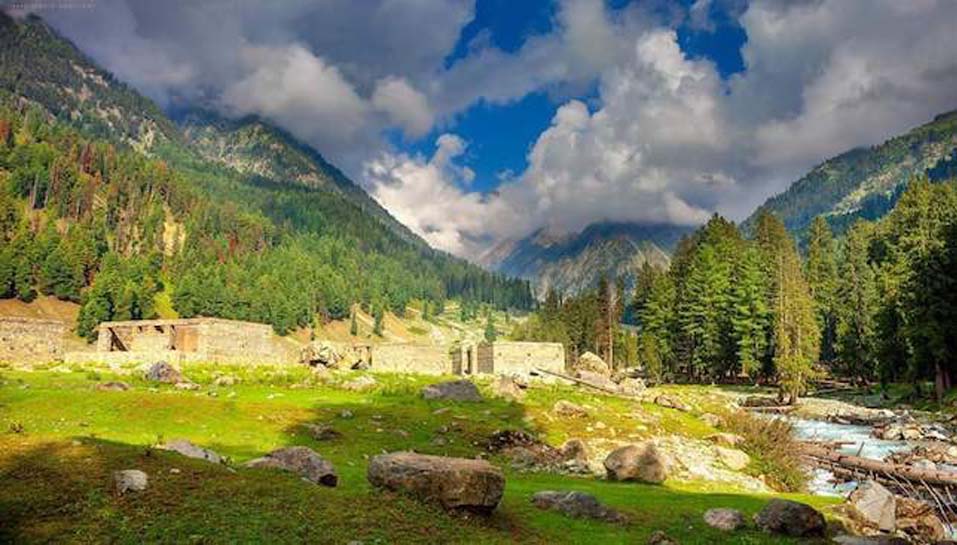
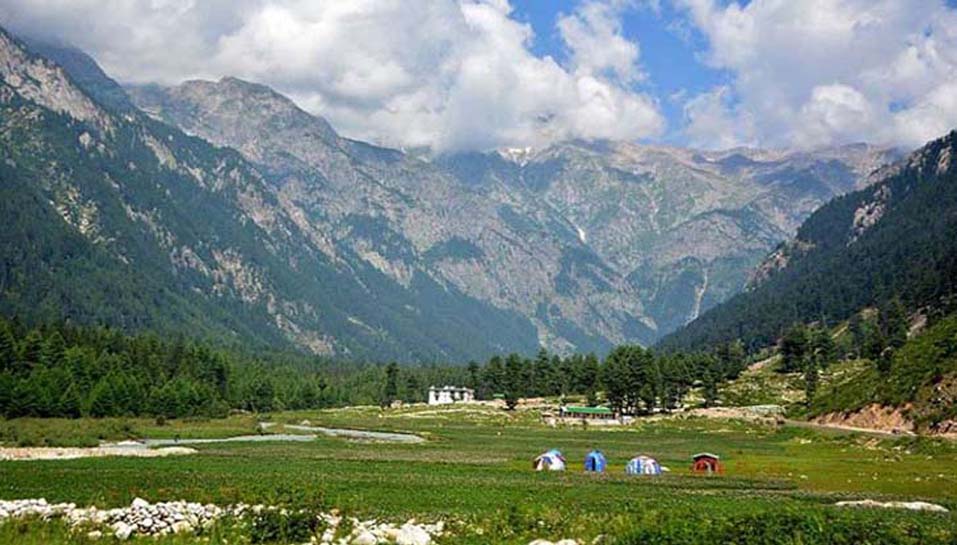
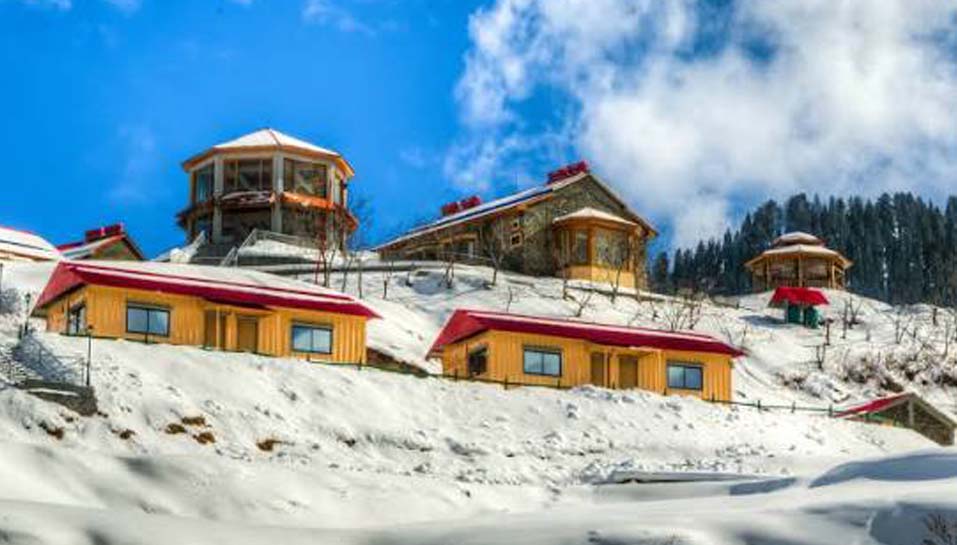
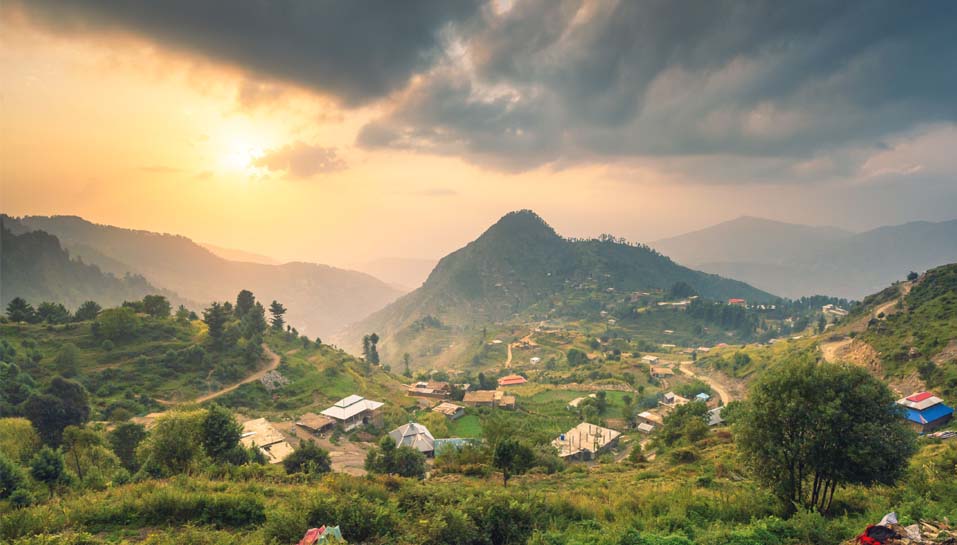
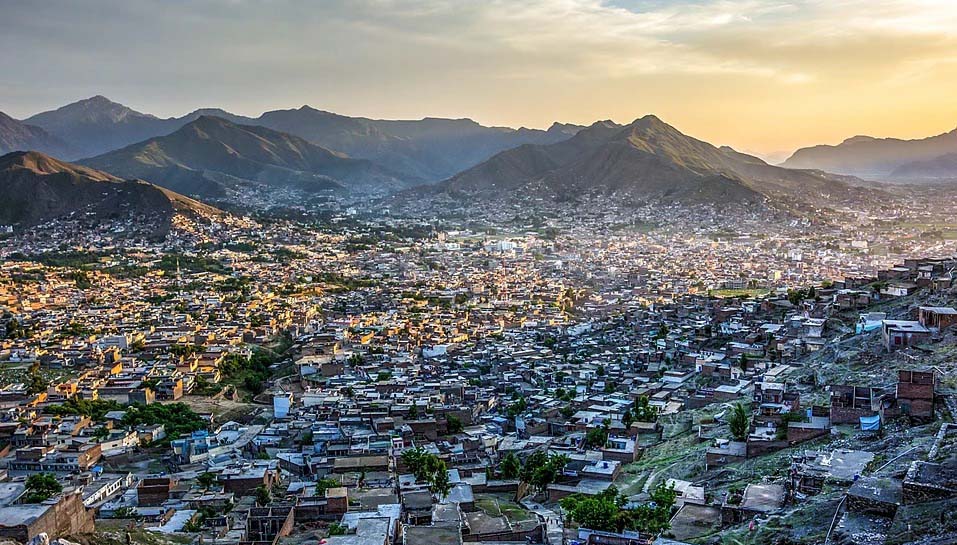
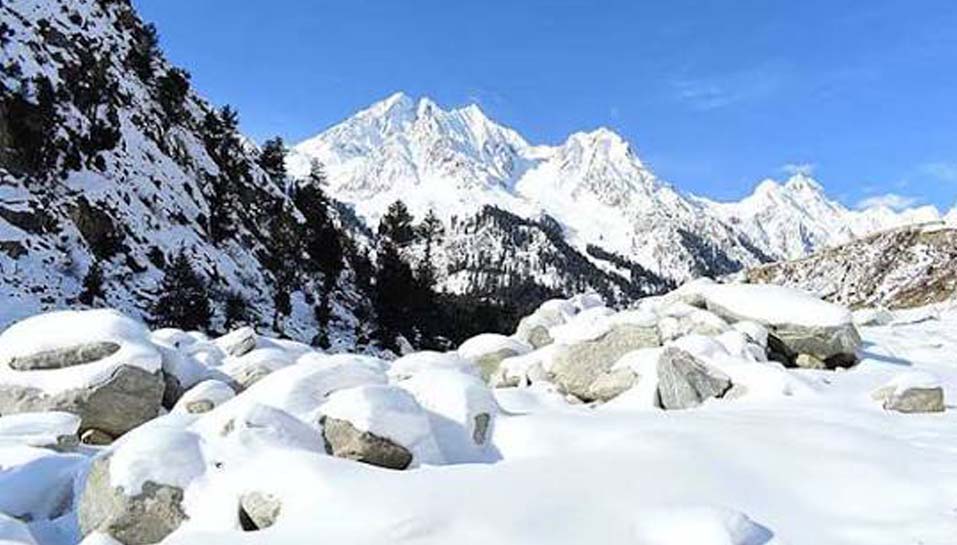
Swat Valley is located in the northern part of Khyber Pakhtunkhwa Province, approximately 247 kilometres from Islamabad and around 170 kilometres from Peshawar by road. The valley extends northward into the Hindu Kush Mountains, where glaciers, alpine meadows, and high-altitude lakes create some of Pakistan's most spectacular landscapes.
The Swat River, originating near Kalam from the confluence of the Ushu and Gabral rivers, flows through the heart of the valley and provides water for agriculture, tourism, and local communities.
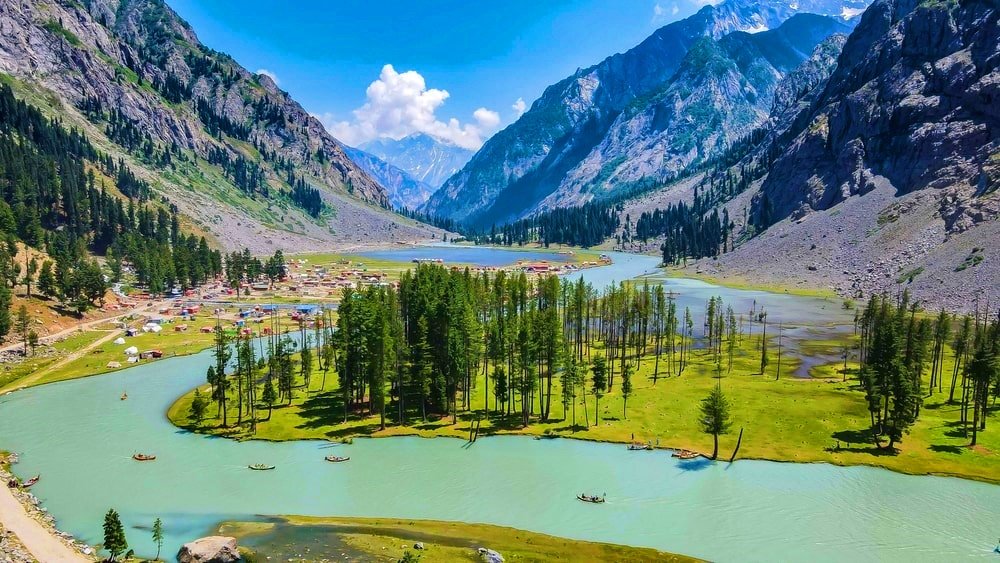
Known as "The Switzerland of Pakistan," Swat Valley is one of the country's most celebrated tourist destinations, admired for its breathtaking natural beauty, rich cultural heritage, and year-round attractions. The valley is famous for its snow-covered mountains, picturesque green valleys, crystal-clear alpine lakes such as Mahodand Lake and Kundol Lake, and the scenic beauty of Kalam Valley. It is also home to the renowned Malam Jabba Ski Resort, the historic White Palace, and numerous ancient Buddhist archaeological sites that reflect the valley's rich Gandhara heritage. In addition, Swat is well known for its trout fishing, flourishing apple orchards, and dense pine forests, making it a perfect destination for nature lovers, adventure seekers, and history enthusiasts alike.
Swat Valley is home to a remarkable collection of natural, historical, and recreational attractions that appeal to every type of traveler. Visitors can explore the scenic mountain towns of Kalam, Bahrain, and Madyan, each offering breathtaking landscapes and traditional hospitality. Adventure enthusiasts can enjoy skiing at Malam Jabba Ski Resort, while nature lovers can visit the crystal-clear waters of Mahodand Lake and Kundol Lake, as well as the picturesque Utror Valley, Gabral Valley, and the enchanting Ushu Forest. History and culture can be experienced at the iconic White Palace, the ancient Butkara Stupa, and the Swat Museum, which preserves the region's rich Gandhara heritage. Families can relax at Fizagat Park, while nature enthusiasts can admire the beauty of Shingrai Waterfall. Together, these attractions make Swat Valley one of Pakistan's most diverse and unforgettable travel destinations.
Swat is not only famous for its landscapes but also for its remarkable historical significance. It was once the heart of the ancient Gandhara Civilization and one of the most important centres of Buddhist learning in South Asia. During the reign of Emperor Ashoka, numerous monasteries and stupas were constructed throughout the valley.
The region later witnessed the rule of Indo-Greeks, Kushans, Hindu Shahis, Yousafzai Pashtuns, the princely State of Swat, and eventually became part of Pakistan. Today, archaeological remains such as Butkara Stupa, Udegram, and Barikot continue to preserve this extraordinary legacy.

Tourism is one of the most important pillars of the economy of Swat Valley, attracting hundreds of thousands of domestic and international visitors every year. The valley offers unforgettable experiences throughout all seasons, from pleasant summer vacations and magical winter snowfall to family picnics, camping, hiking, trekking, river rafting, trout fishing, jeep safaris, photography, cultural tourism, and heritage exploration. Its breathtaking landscapes, rich history, and welcoming local communities make Swat a destination for both adventure seekers and leisure travelers. Supported by a rapidly expanding network of hotels, guest houses, restaurants, cafés, transport facilities, and guided tour services, Swat continues to strengthen its reputation as one of Pakistan's leading and most popular tourist destinations.
Swat stands apart from many mountain destinations because it offers an exceptional combination of natural beauty, rich history, and cultural heritage within a relatively compact region. Travelers can enjoy snow-capped peaks, lush forests, alpine lakes, ancient Buddhist monuments, vibrant local markets, and welcoming hospitality—all within a single journey. Whether you seek adventure, relaxation, or cultural discovery, Swat provides an experience that is both diverse and unforgettable.
Nestled in the north of Khyber Pakhtunkhwa, Pakistan, Swat Valley stretches approximately 210 kilometres (130 miles) along the scenic Swat River, from the lower plains near Chakdara to the high-altitude valleys of Swat Kohistan. The valley is surrounded by the majestic Hindu Kush Mountains, with elevations ranging from about 610 metres (2,000 feet) in the south to over 6,700 metres (22,000 feet) in the northern peaks. The Swat River originates near Kalam, where the Ushu and Gabral rivers converge, and flows through the heart of the valley, nourishing fertile plains, orchards, forests, and towns before joining the Panjkora River system. Geographically, Swat is traditionally divided into Swat Kohistan (the mountainous upper region) and Swat Proper, which includes Upper Swat (Bar Swat) and Lower Swat (Koz Swat).
Swat's diverse landscape is one of the richest natural environments in Pakistan, featuring snow-covered mountains, alpine meadows, glaciers, dense pine and deodar forests, crystal-clear rivers, waterfalls, and high-altitude lakes. Famous valleys such as Kalam, Bahrain, Madyan, Utror, Gabral, and Matiltan offer breathtaking scenery and exceptional biodiversity. The valley experiences a temperate mountain climate, with cool summers in the upper regions, snowy winters, and pleasant weather in the lower areas. This remarkable combination of dramatic landscapes, abundant freshwater resources, fertile agricultural land, and ecological diversity makes Swat Valley one of Pakistan's most beautiful and environmentally significant regions, attracting nature lovers, photographers, trekkers, and tourists throughout the year.
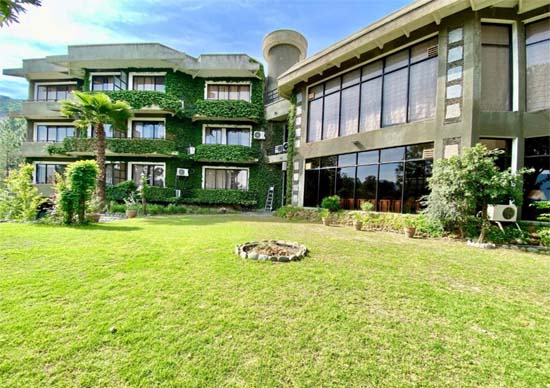
Elegant Accommodations: Rock City Resort in Mingora offers a 4-star hotel experience ...
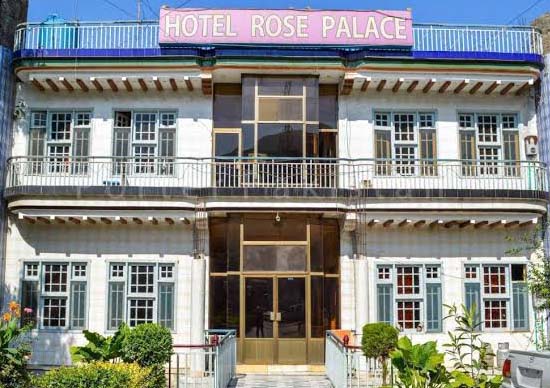
Comfortable Accommodations: Rose Palace Hotel With Mountain View Swat in Mingora offers ...
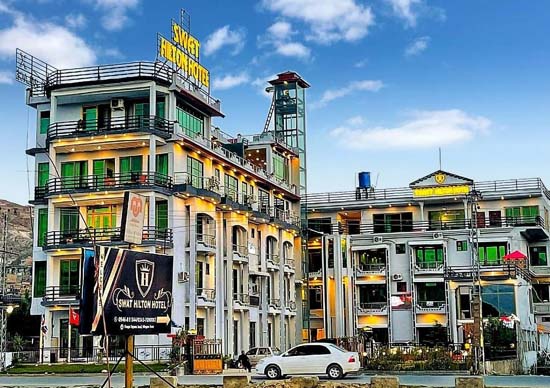
Comfortable Accommodations: Swat Hilton Hotel by Khan Familia Travels in Swat offers ...
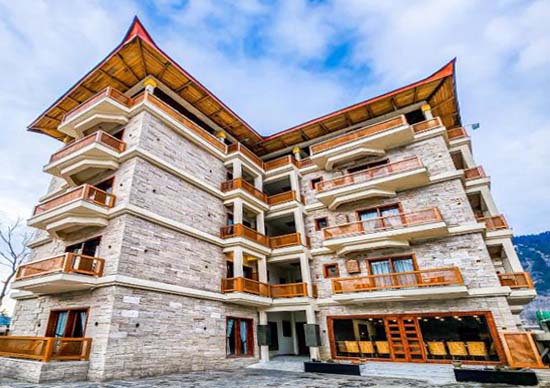
Comfortable Accommodations: Zen Luxus in Kalam offers family rooms with private bathrooms, ...
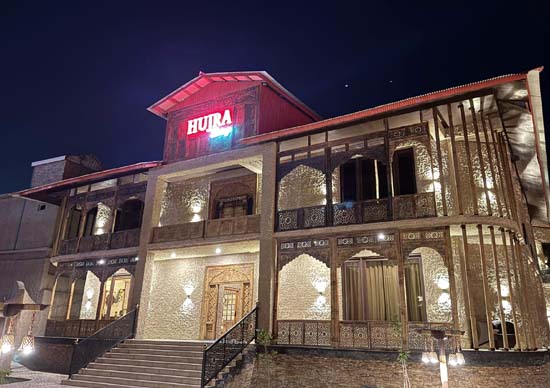
Hujra Livings & Resturant is proud to expand its hospitality experience in ...